Confidential Document Translation: What Companies Must Know Before Going Global
Why Confidential Document Translation Requires More Than Language Skills
International expansion often begins with translation. Contracts, technical documentation, medical records, internal policies, and compliance materials must be available in multiple languages before a company can operate across borders. While language accuracy is essential, it is only one part of the process.
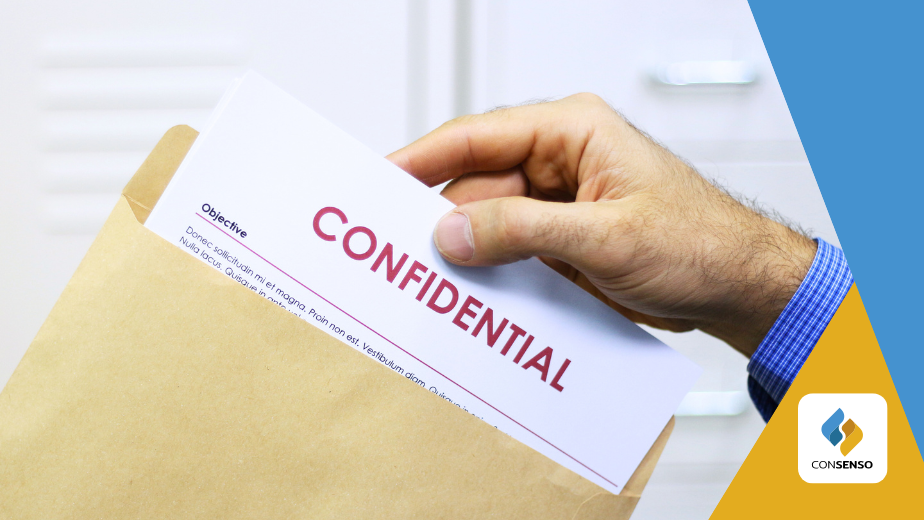
When translation involves a confidential document, the risks extend far beyond terminology. Confidential information may include personal data, intellectual property, financial records, or regulated medical and technical content. Mishandling this information can lead to data breaches, legal penalties, reputational damage, and loss of trust.
At Consenso Global, we help organisations navigate these complexities. By combining expertise in confidential document translation with internationally recognised standards such as ISO 27001, we ensure sensitive information stays protected at every stage. With the right provider, your business can expand internationally with confidence.
Key Security Risks When Translating Sensitive Content
Translating sensitive content puts organisations at risk, especially when workflows are informal or poorly controlled.
Common risks include data leaks during file transfer, unauthorised access by freelancers or third parties, and storage of documents in unsecured systems. So, how do these leaks happen? Many business data leaks occur not through sophisticated cyberattacks, but through everyday operational decisions, like emailing files without encryption or granting excessive access to sensitive materials.
Recognising these risks early and addressing them is essential for companies that want to protect their most valuable information.
How Data Leaks Happen in Translation Workflows
Data leaks in document translation often result from fragmented processes. Files may be shared via unsecured email, uploaded to public platforms, or stored on personal devices without adequate protection. In cloud-based environments, insufficient access controls and lack of monitoring can increase risk even further.
When confidential documents are translated without a secure file transfer solution, organisations lose visibility over who accesses the data and how long it is retained. This is especially important for technical document translation and medical document translation, where data security and data protection obligations are strict.
Using a secure file transfer online platform or a dedicated secure file transfer server significantly reduces these risks. Encrypted transmission, controlled access, and proper monitoring ensure files stay safe. Choosing the right provider helps companies manage sensitive information efficiently and confidently.
Managing Confidential Document Translation Securely
A secure approach to document translation to English or between other language pairs relies on defined processes rather than ad hoc solutions. This includes controlled onboarding of linguists, restricted access to files, and the use of secure file transfer systems instead of public platforms.
Whether the project involves document translation French to English, document translation German to English, or document translation Portuguese to English, the same principles apply. Security measures should remain consistent across all language combinations and project sizes.
Professional document translation services online that specialise in confidential content integrate secure file transfer software, data security platforms, and clear document retention policies into their workflows. These measures help organisations balance efficiency, confidentiality, and compliance while managing document translation costs responsibly. They also provide peace of mind, knowing that sensitive information is handled by experts at every stage.
The Role of Standards and Certifications
Recognised data security standards provide an additional layer of assurance when selecting a translation provider. ISO 27001 certified companies follow internationally recognised best practices for data security, risk management, and information protection.
Cybersecurity frameworks aligned with ISO 27001 certification help ensure that confidential documents are handled within controlled environments: from initial upload to secure document destruction at the end of the project lifecycle. Implementing secure document destruction is a key part of these standards. It guarantees that all confidential files are permanently deleted once projects are complete, reducing the risk of data leaks and supporting regulatory compliance.
For organisations operating in regulated sectors or multiple jurisdictions, working with ISO 27001 certified companies is often a practical requirement rather than an option. Partnering with an experienced provider like Consenso Global allows companies to expand internationally while keeping confidential documents secure at every stage.